Ways of preventing the spread of false information in local communities and countering prejudice against migrants and refugees – these were the topics of a training course for Polish local government staff held in Wrocław on 28-29 May 2024 as part of an inter-agency initiative of European organisations.
The training entitled “Anti-rumours in Polish cities”, known in Polish as “Strategia przeciwdziałania plotkom w polskich miastach”, was held as part of the Academy for the Integration of Migrants and Refugees in Polish Cities, which has been running since March 2023.
Drawing on their knowledge and experience, international organisations – the Council of Europe Intercultural Cities Programme (ICC), the OSCE Office for Democratic Institutions and Human Rights (ODIHR), the United Nations Refugee Agency (UNHCR) and the Organisation for Economic Co-operation and Development (OECD) – developed an 18-month training programme for local government staff in Poland, aimed at discussing the many aspects of integrating migrants and refugees in cities.
The Academy, run in cooperation with the Union of Polish Metropolises (UMP), offers a series of training courses that support city administration staff, preparing them to work with newcomers and to meet the challenges they may encounter in integrating them into the host community. Following the success of a 3-day intercultural competence training held in Lublin in June 2023, the agencies decided to organise an additional training session. Wrocław, a member of the Intercultural Cities network since 2021, was chosen as the venue.
Polish local government staff strengthen their intercultural competences
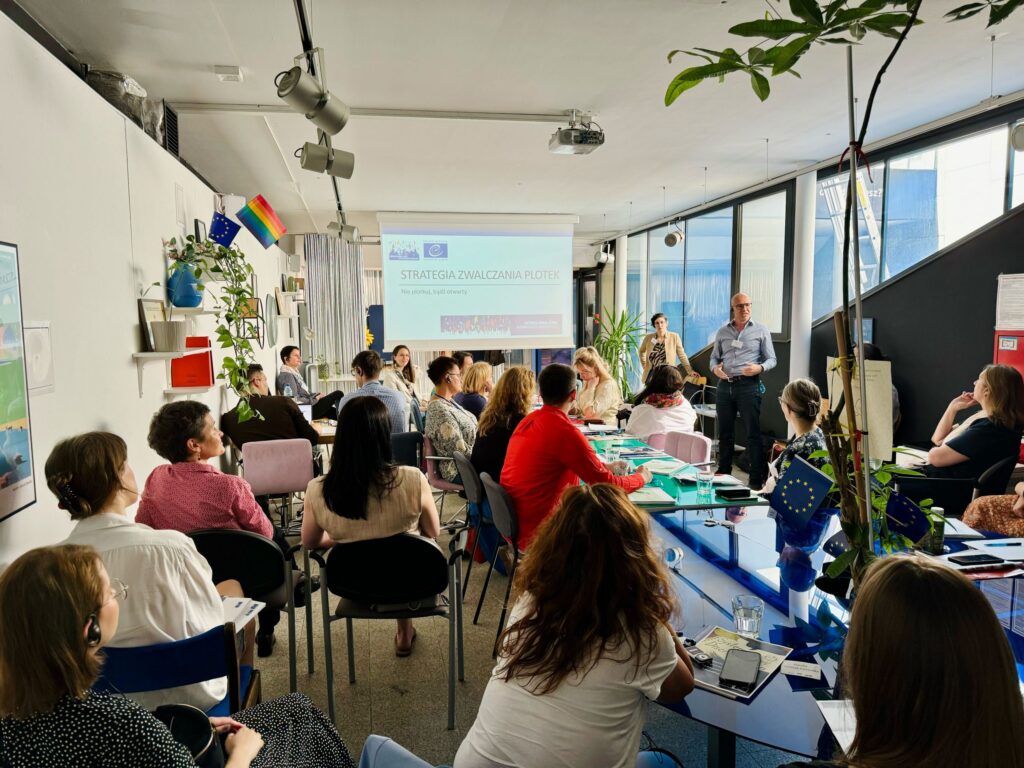
The training at Przejście Dialogu (Passage of Dialogue) began on 28 May with speeches by the organisers. On behalf of the City of Wrocław, participants were welcomed by Marta Majchrzak, WCRS Deputy Director for Cross-Sectoral Projects. Speaking on behalf of the Council of Europe and the ICC network, Giulia Bianchini expressed her delight at the interest in the training among local government staff and spoke about the key role of cities in shaping urban spaces that are welcoming and inclusive for newcomers. Sylwia Cyrankiewicz-Gortyńska, coordinator of the Migration and Integration Team of the Union of Polish Metropolises, talked about the “Academy for the Integration of Migrants and Refugees” and plans for the future. Next, the participants, who came from Poznań, Gdańsk, Katowice, Kraków and other cities, introduced themselves and then got down to work.
What is an anti-rumours workshop?
The Intercultural Cities network’s training offer includes a workshop designed to help participants apply the anti-rumours methodology and strategy, taking into account the specific context of local authorities. Building on the experience of Barcelona and other cities, the training presents the practical aspects of developing an innovative strategy at local level. The trainers, Daniel de Torres Barderi and Marta Pérez Ramírez, are experienced Intercultural Cities experts as well as the originators and practitioners of the anti-rumours strategy.
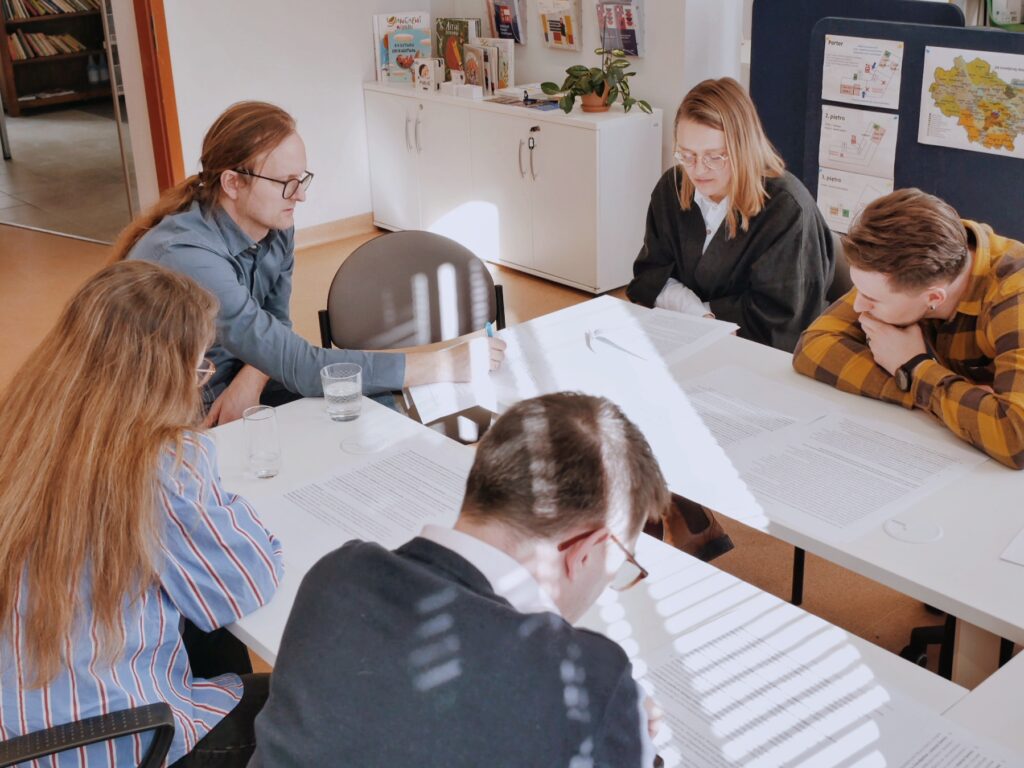
The course consists of capacity-building sessions that combine practical exercises with theory. All participants had the opportunity to share practices and challenges with colleagues from other municipalities. Besides the training itself, the visit to Wrocław was also an opportunity for networking among local government staff and for getting to know Wrocław’s intercultural side. Participants took part in a guided tour of the District of Mutual Respect and visited civil society organisations working for intercultural dialogue, including Fundacja Ukraina, Fundacja Kalejdoskop Kultur and Fundacja EkoRozwoju, and in the evening they enjoyed a concert by the multicultural group Śpiewacza Banda.
Thank you very much for visiting Wrocław!
We would like to thank the ICC Secretariat and the Union of Polish Metropolises for their cooperation.
The Intercultural Cities Programme (ICC) is a joint initiative of the Council of Europe and the European Commission, launched during the European Year of Intercultural Dialogue 2008. It aims to support local authorities in developing and implementing intercultural integration policies. Wrocław has been a member of the ICC network since 2021. More about the programme – here.