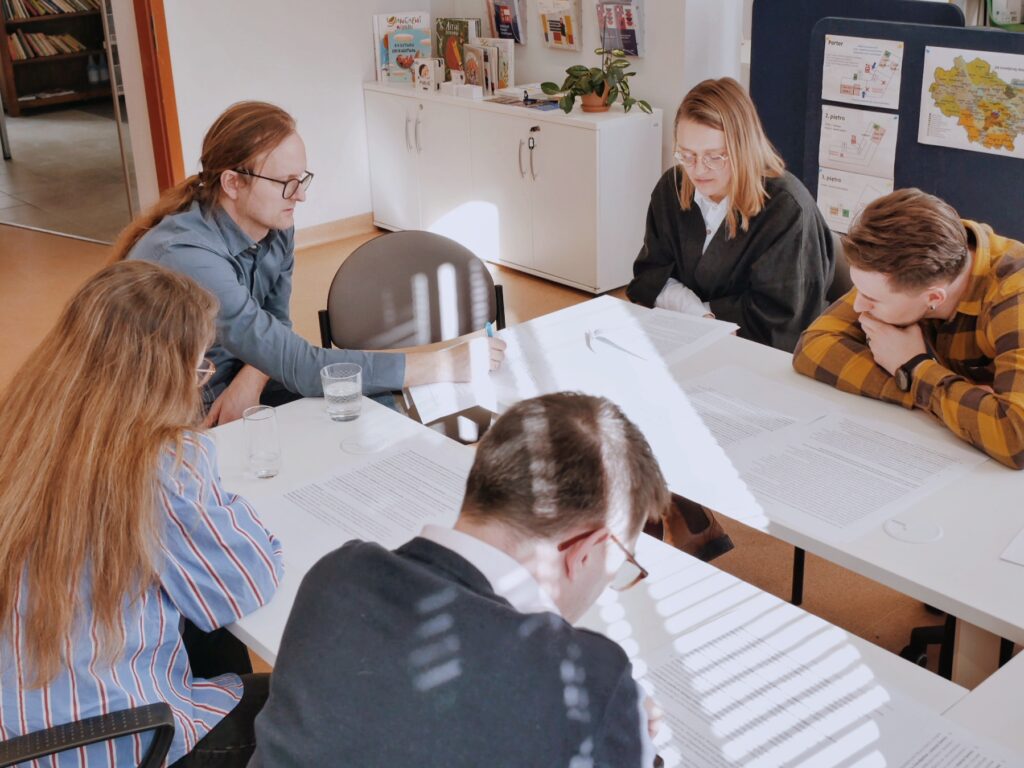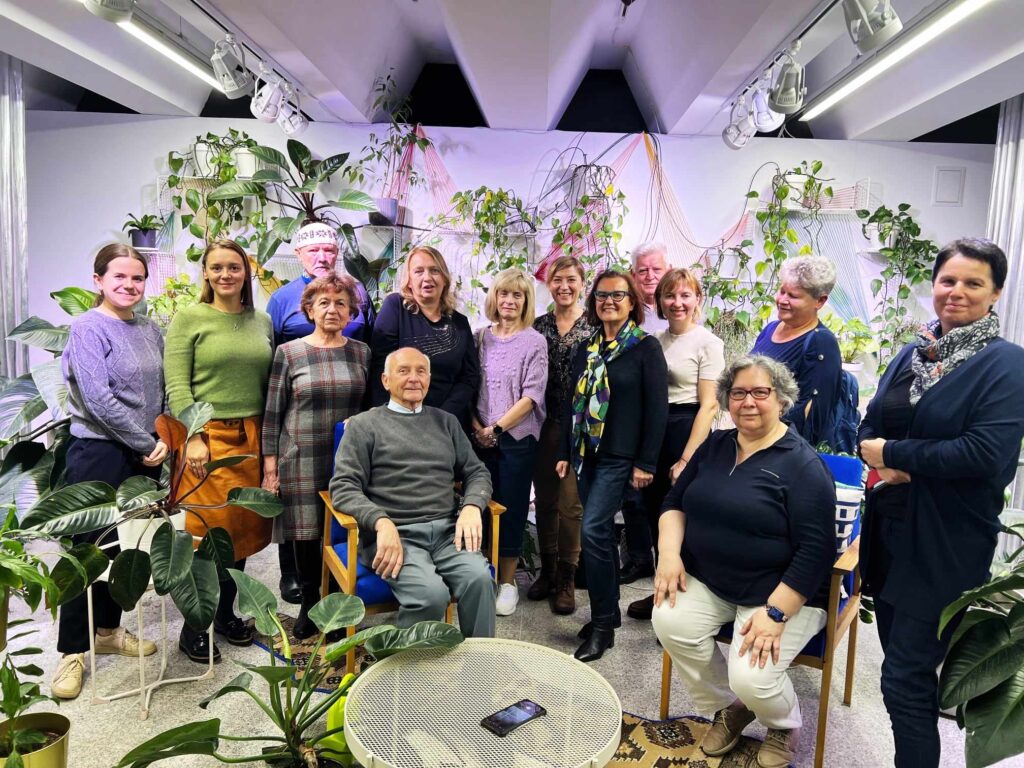
Meeting and dialogue between the Wrocław local authorities and representatives of national and ethnic minorities, identifying needs and developing new forms of cooperation – these were the aims of the first meeting of representatives of Wrocław’s national and ethnic minorities, held on 10 October at Przejście Dialogu (Passage of Dialogue).
The meeting was organised by the Wrocław Centre for Social Development (WCRS) in cooperation with Fundacja Kalejdoskop Kultur, Związek Ukraińców w Polsce and Związek Karaimów Polskich.
Przejście Dialogu was attended by representatives of the minorities recognised by law (Ukrainian, Karaim, Tatar and Jewish, with representation on behalf of the Roma) and of the Greek community, as well as representatives of migrant groups (Belarusian and Ukrainian) and people involved in cooperation with minorities.
The meeting was opened by Dorota Feliks, Director of the Wrocław Centre for Social Development, who noted that the pandemic and the war in Ukraine had interrupted the existing cooperation and that now was the time to rebuild it and develop new meeting formats.
Marta Majchrzak, Deputy Director for Cross-Sectoral Projects at WCRS, announced that work is underway on a new strategic document on intercultural dialogue in Wrocław, which should address issues related to national and ethnic minorities. Dorota Kozak-Rybska recalled the beginnings of cooperation between different cultures in Wrocław, which date back to the mid-1990s and were sealed in 2009 by the signing of the Kalejdoskop Kultur agreement bringing together Wrocław’s national and ethnic minorities.
Representatives of the minorities then took the floor and spoke about their activities and problems, as well as their plans for the future and the current events they organise. Participants also commented on data on national and ethnic identity from the 2021 National Census, published at the end of September by Statistics Poland (GUS).
National and ethnic minorities are also facing a new reality. Participants unanimously stressed the role of education and mother-tongue learning as key to preserving national and ethnic identity, as well as the need to develop new formats for meetings and communication.
Several events organised by Wrocław’s minorities will take place in the near future:
- 16.10.23 – “Zakorzenianie” (Taking Root) – a concert of Ukrainian, Lemko and Karaim songs performed by Michał Kuliczenko and Friends
- 28.10.23 – 28th celebration of Greece’s national Oxi Day
- a concert organised by Towarzystwo Społeczno-Kulturalne Żydów w Polsce
The next meeting of Wrocław national and ethnic minorities is scheduled for 21 November.