Now that the Strategy has run its course, it is time to take stock: to look at which assumptions have worked, what has been achieved and what needs a different approach in the new document.
We invite you to read the report with the results of the evaluation workshops carried out as part of the review of the Wrocław Strategy for Intercultural Dialogue 2018–2022.
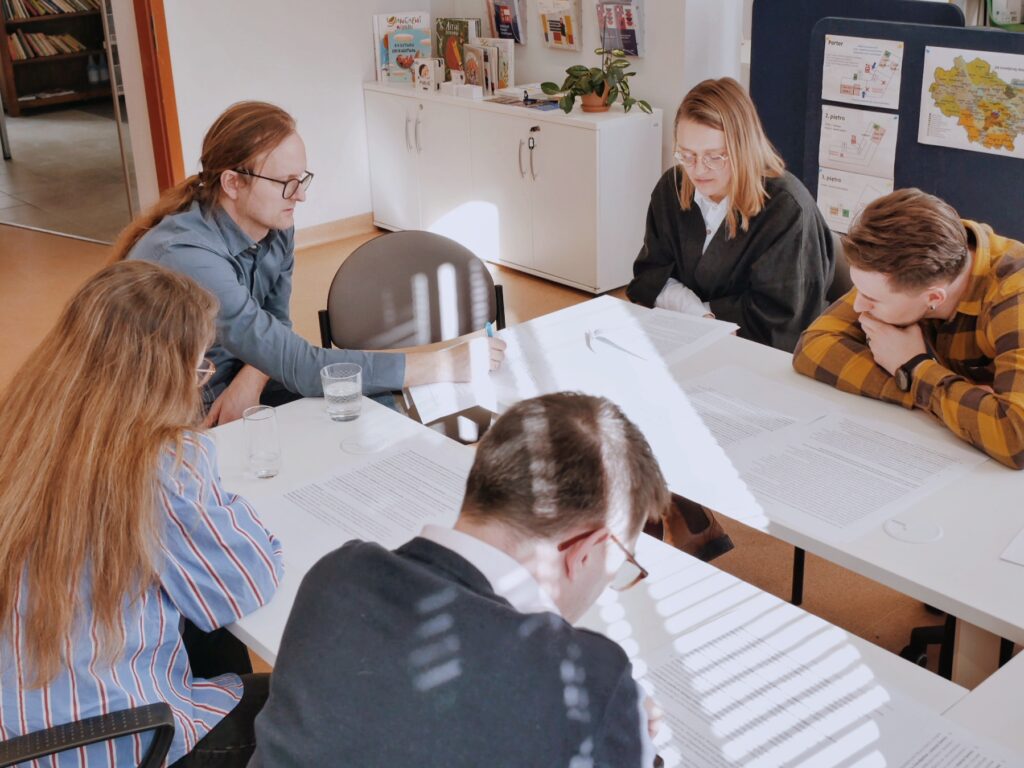
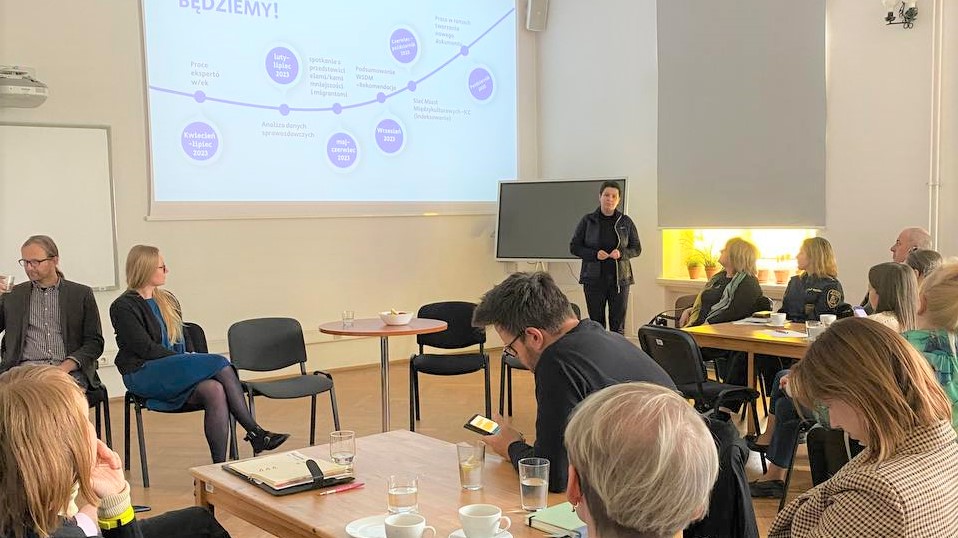
Once the Strategy had expired, we reviewed the activities carried out so far – in relation to the assumptions of the document as a whole and to its individual strategic areas: education, integration, security and cooperation – during cross-sector workshops run by representatives of the Foundation for European Studies (FEPS) and the Dom Pokoju Foundation.
The workshop participants focused on the activities which, in their view, had proved successful, on what had been achieved and on what needs to be strengthened or approached differently in the new policy document. The summary report presents examples of good practice and recommendations for the future.
We would like to thank the authors of the report – Tadeusz Mincer (FEPS), Dorota Whitten and Maja Zabokrzycka (Dom Pokoju Foundation) – for running the workshops and preparing the document below.
We would also like to thank all participants of the evaluation workshops for their attendance and commitment.
—————————————————————————————————————-
Page on the Wrocław Strategy for Intercultural Dialogue 2018–2022